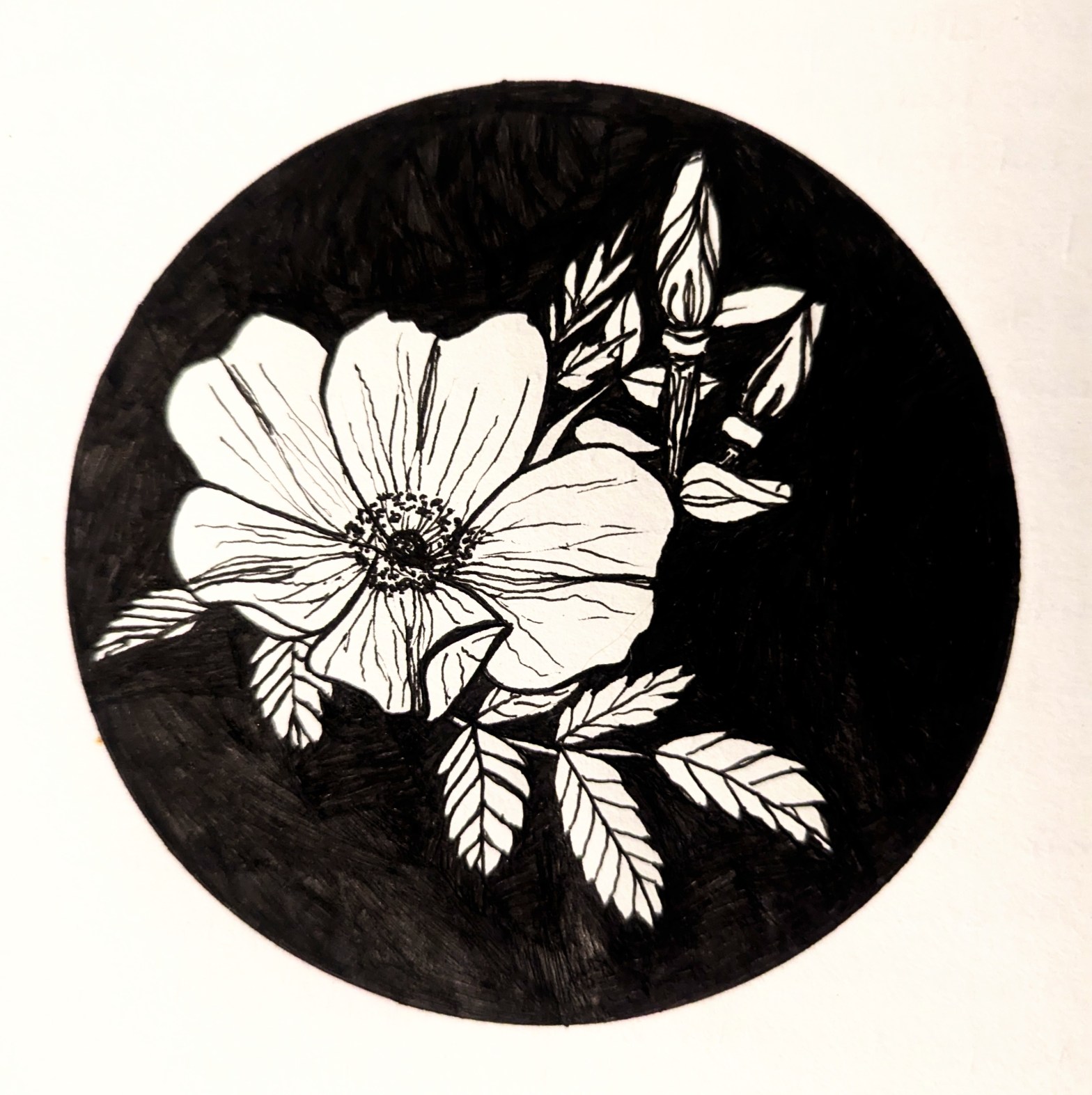
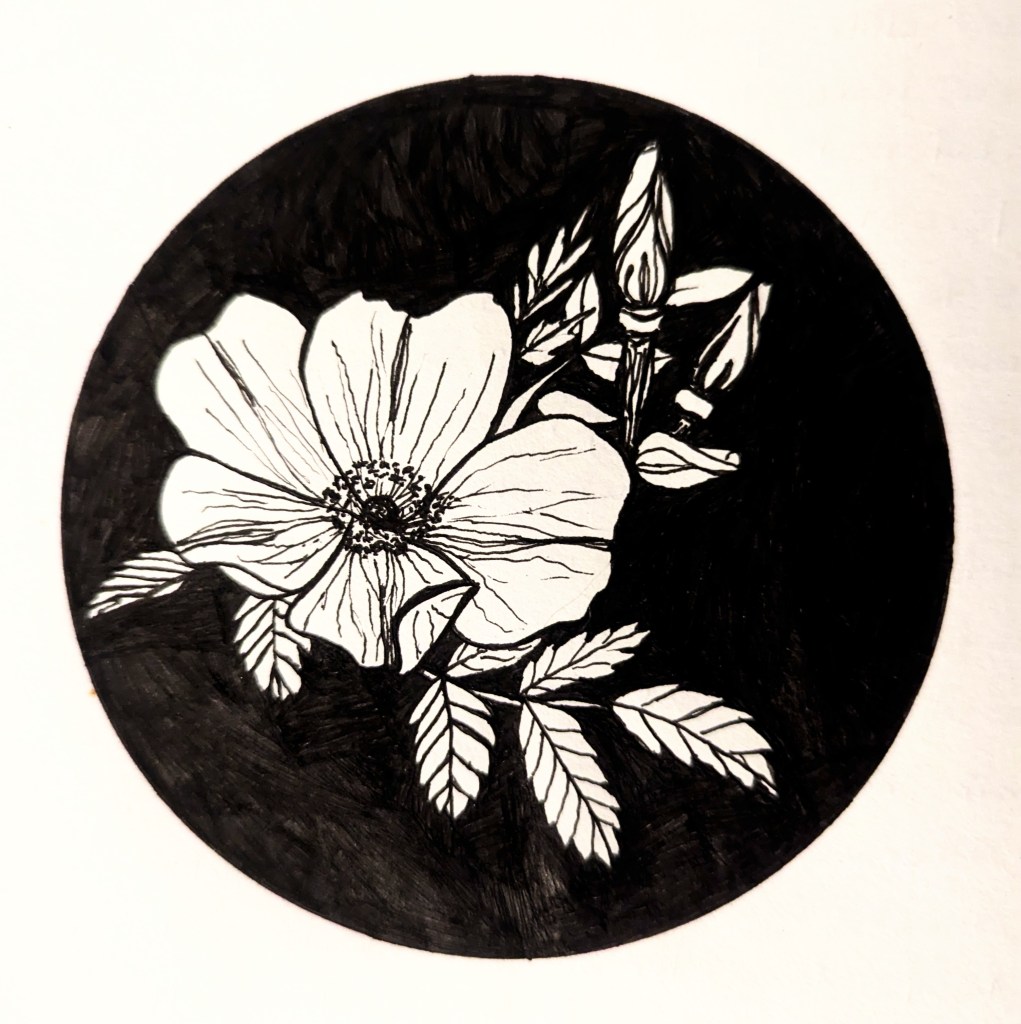
Wild Rose, Rosa Species
I decided the wild rose was a good plant study pick for February, but I promptly forgot to post my findings here. You can usually find content more quickly on the Environmental Harmony Instagram.
Anywhoo! Wild Roses, it turns out, are the BEST.
The wild rose is the fragrant, shrubby ancestor of all the roses we know and love. The wild roses are the most fragrant and, I think, beautiful of all. People have been using roses as medicine and food since time immemorial.

Who doesn’t love a good rose spray? Choose the most fragrant roses for medicine. Due to their high vitamin C content, the hips can be useful for treating coughs and lung congestion. Native Americans consumed tea made from half-dried and powdered hips and half-dried petals of rose throughout the winter. Try rosehip and yarrow tea to bolster the immune system.
Spirit of motivation! The rose’s essence is enthusiasm, willpower, and follow-through. It is useful for those suffering from pathological apathy or those who have been worn down by life. The rose is interest and attention. This makes sense, as roses are associated with love, and these qualities are essential for healthy relationships with others and ourselves.
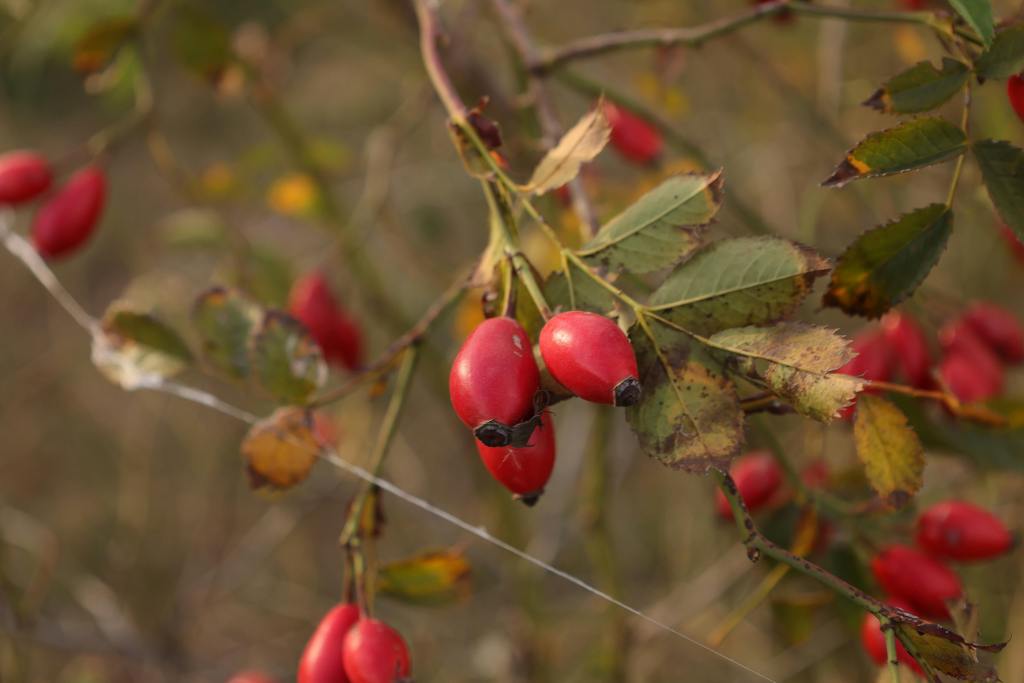
Rose petals are edible and make a colorful and interesting addition to salads. Rose petal pulp can be dried and made into beads! Rose hips are very high in vitamin C and a tasty treat in the fall when they ripen. Don’t eat the seeds, though; it’s just the fleshy skin of the hip you want. Hips stay on the bush through winter and can be found in dire times to hold a hungry creature over. Roses are thorny and tangly, creating impressive habitats for small critters who can take shelter there. They are excellent barrier plants in the landscape for keeping large creatures in or out. Harvest the petals before they fully bloom and dry them in the sun for medicinal purposes. Leave behind the heads of the flowers, as bees will still visit them and pollinate the hips. The dried petals can be infused into oils or water and made into teas, jellies, jams, candies, syrups, relishes, etc.

Some popular choices for uber-fragrant wild roses are rosa damascena, rosa alba, rosa centifolia, rosa gallica and repeat bloomer rosa rugosa has large, tasty hips!
Let’s all grow wild roses!!


